 how-to
Hiring an Architect for Custom Home Build: A Step-by-Step Guide
Table of Contents
- Do You Need an Architect for Your Custom Home Build?
- Step 1: Define Your Project Scope and Design Goals Before Searching
- Step 2: Find and Shortlist Architect Candidates
- Evaluating Architect Portfolio Examples and Past Projects
- Questions to Ask an Architect Before Hiring
- Understanding Architect Fees for Custom Home Design
- Reviewing the Architect-Client Agreement and Contract Terms
- From Design to Construction: Your Timeline and Next Steps
- Frequently Asked Questions
Last Updated: October 9, 2026
Do You Need an Architect for Your Custom Home Build?
Not every homeowner needs an architect when hiring architect custom home projects, but most who skip this step end up wishing they hadn't. A custom home is one of the largest investments you'll make, and getting the design right from the start saves time, money, and frustration.
Contractors excel at construction; architects excel at design, planning, and translating your vision into documents that prevent costly mistakes. When building from scratch, an architect becomes your advocate, handling site analysis, coordinating with engineers, managing building codes, and ensuring the finished home matches what you imagined.
The question isn't really whether you need an architect. It's whether you can afford not to have one.
Step 1: Define Your Project Scope and Design Goals Before Searching
Before you call a single architect, get clear on what you actually want. This takes time but saves enormous amounts later.
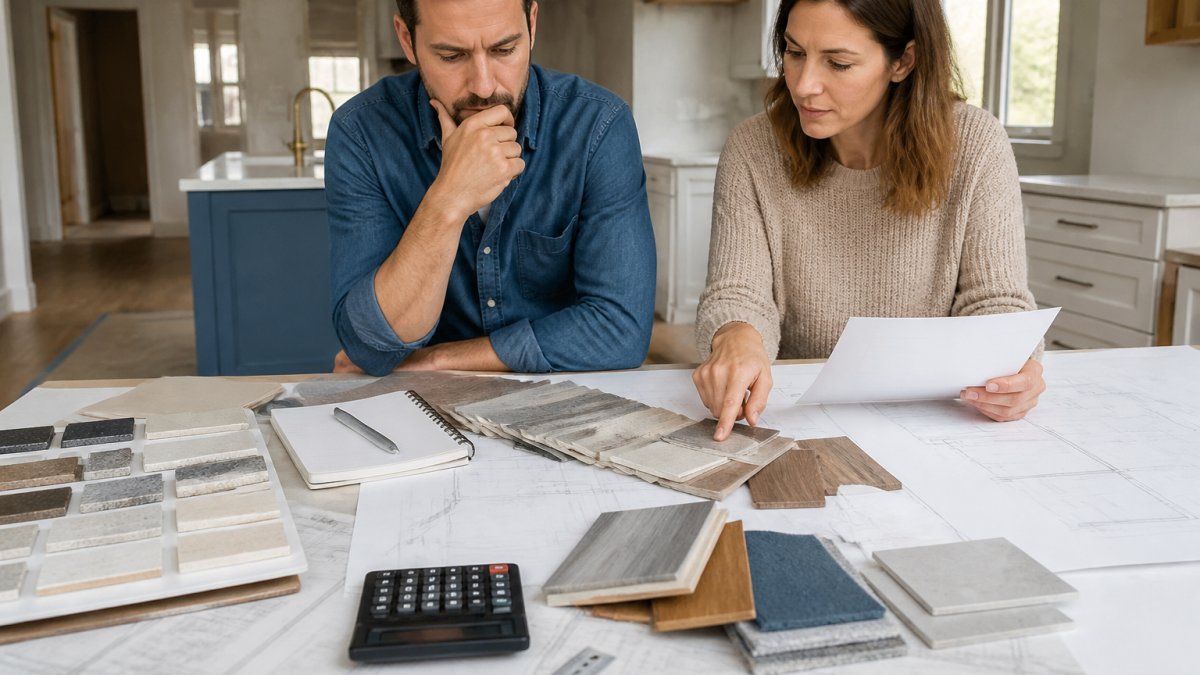
Start by writing down your non-negotiables. How many bedrooms? What's your budget range? Do you need a specific architectural style, or are you open? Are you building on land you already own, or is site selection part of the project? Do you want a modern open floor plan, or traditional separated rooms? Will you need accessibility features?
Next, think about your lifestyle. Do you need a serious kitchen, a dedicated home office, space for aging parents, or room to entertain? These details shape everything.
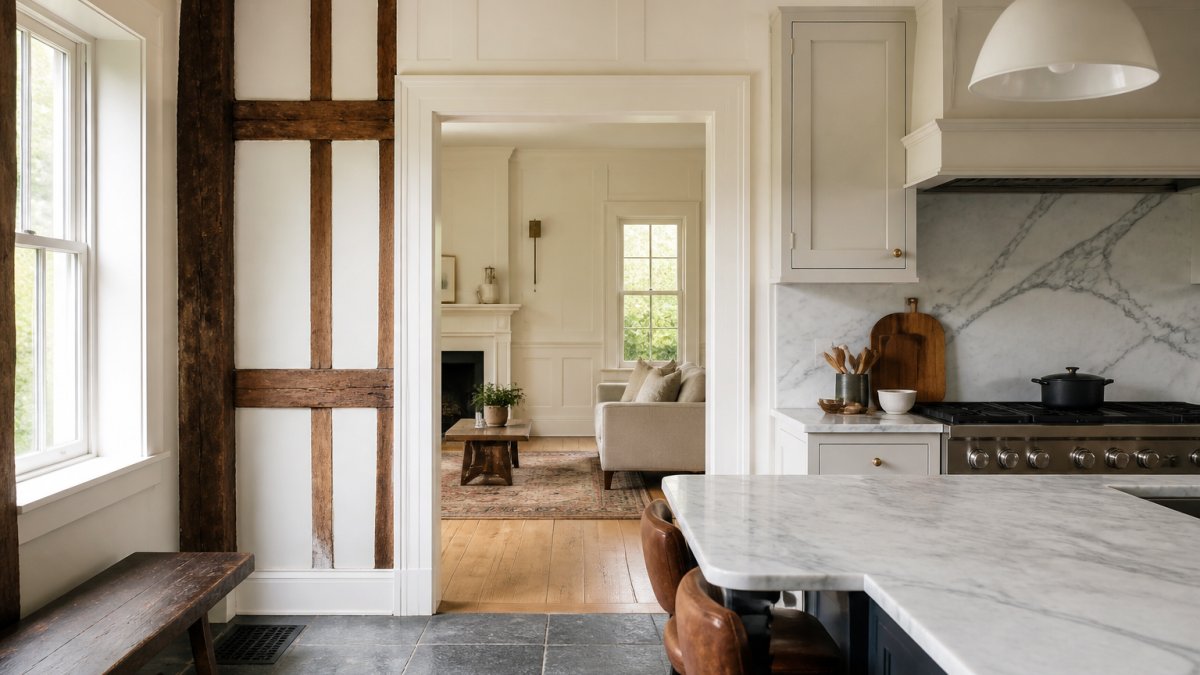
Gather inspiration images, a folder of homes, rooms, and design elements you love. Don't worry about budget realism yet; these images tell an architect what resonates with you.
Write down must-haves versus nice-to-haves. A must-have might be "natural light in the kitchen"; a nice-to-have might be "a wine cellar." When budget pressure hits, you'll know what stays and what goes.
Finally, understand your site constraints. If you're building on existing land, walk it at different times of day and note sun exposure, views, slope, trees to keep, and proximity to neighbors. Your architect will use this to position your home for maximum benefit.
Step 2: Find and Shortlist Architect Candidates
When hiring architect custom home builders, start with referrals. Ask friends, family, and your builder about architects they trust, personal recommendations carry real weight because you can ask specific questions about how easy they were to work with.
Search online for "residential architects" in your area and check whether their style aligns with yours. If you love traditional colonial homes and an architect specializes in minimalist modern design, they're probably not the right fit, even if their work is excellent.
Check credentials. Make sure they're licensed in your state, in the United States, licensed architects have completed education, apprenticeship, and passed the Architect Registration Examination, meaning they understand building codes, liability, and professional standards.
Look for architects with experience in custom home builds specifically, designing from scratch differs from renovating, and you want someone who's done what you're planning.
Narrow your list to three to five candidates. More than five becomes overwhelming; fewer than three limits your options.
When you contact them, ask about availability and timeline, some book six months out, others have capacity now. Ask whether they've completed similar projects in scope and style, and request their fee structure upfront so you can compare apples to apples.
Evaluating Architect Portfolio Examples and Past Projects
A strong portfolio tells you what an architect can actually deliver. Don't just look at pretty pictures. Dig deeper.
Ask to see completed projects in person if possible. Photos don't show how spaces actually feel, a room that looks spacious in a wide-angle shot might feel cramped in reality. Walking through a finished home gives honest perspective.
Look for consistency. If a portfolio shows wildly different styles, ask whether that reflects their range or just their best work regardless of fit. An architect with a clear design philosophy usually produces more cohesive results.
Check timelines on past projects: How long did design and construction take? Were projects completed on schedule? If most run six months over, that's useful information.
Ask for client references. Call three or four past clients. Ask them:
- Did the final home match the initial vision?
- Were there surprises during construction?
- How responsive was the architect to changes?
- Would they hire this architect again?
- What would they do differently?
Pay attention to what clients say about communication. An architect who kept them informed and involved usually produces happier results than one who disappeared once design was done.
Look at the quality of construction documents. Ask to see a sample set of plans from a completed project, detailed plans and clear specifications prevent contractor confusion and change orders.
Questions to Ask an Architect Before Hiring
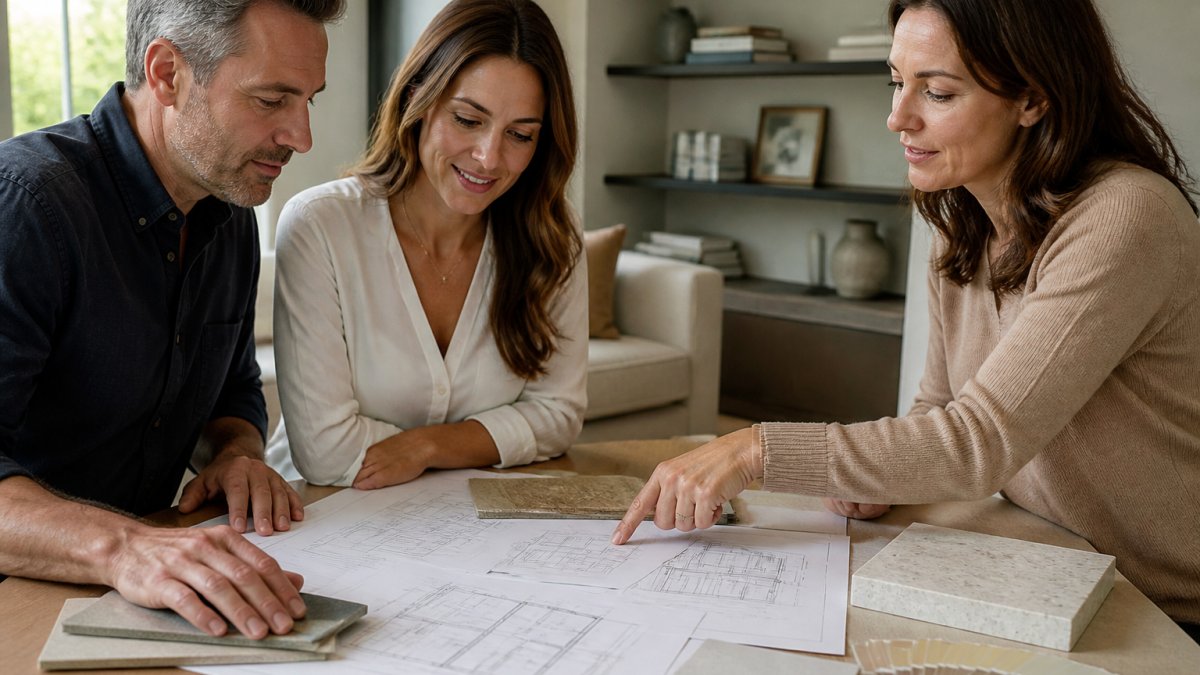
Once you've narrowed your list, have detailed conversations with each candidate to assess fit and understand how they work.
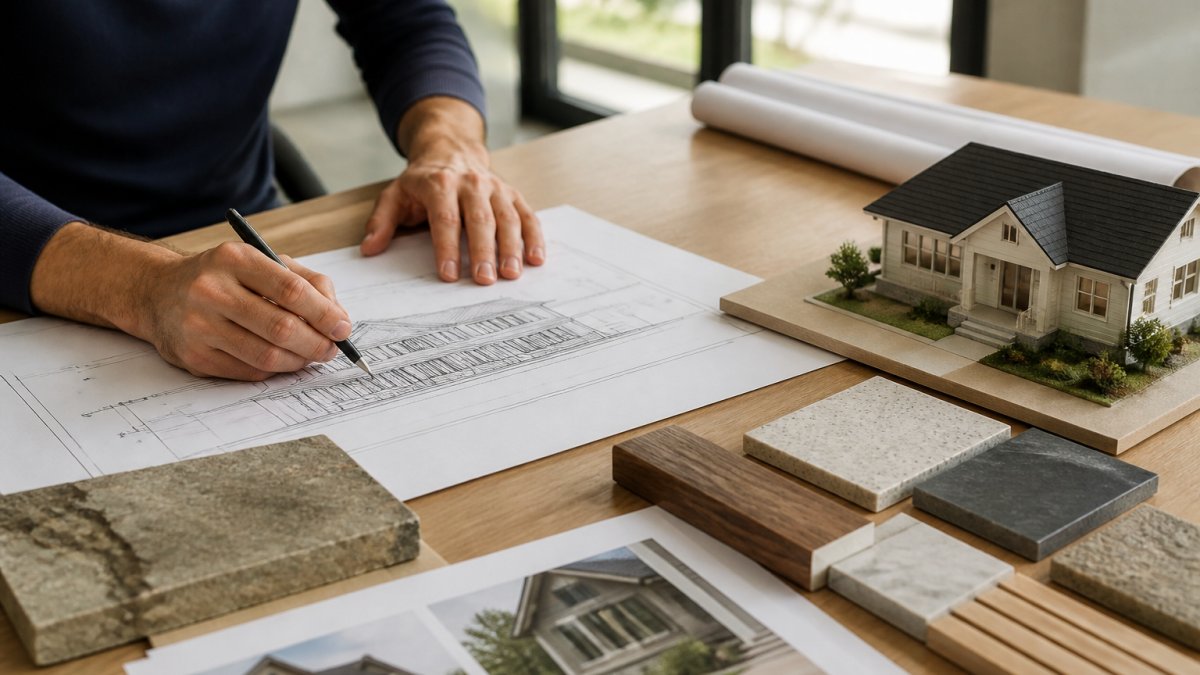
Start with scope: "What does your design process include? What deliverables will I receive?" Some architects provide preliminary sketches and 3D renderings; others deliver construction documents only.
Ask about revisions: "How many design revisions are included in your fee? What happens if I want major changes partway through?" Design changes cost money. You want to know the rules upfront.
Discuss the timeline: "How long does the design phase typically take? When can you start?
Ask about collaboration: "How do you work with builders and contractors? Will you attend construction meetings? How do you handle conflicts between your design and construction realities?" This reveals whether they stay involved after design.
Understand their fee model: "Do you charge a fixed fee, hourly rate, or percentage of construction cost? What's included? What costs extra?" We'll dive deeper into this next, but you need clarity now.
Ask about references: "Can you provide three client references I can contact? Can I see a sample of your construction documents?" Good architects welcome this scrutiny.
Finally, ask the gut-check question: "What would you do differently if you were designing a home for yourself?" Do they talk about their own lifestyle and priorities, or give a generic response?
Understanding Architect Fees for Custom Home Design
Architect fees confuse most homeowners because there's no standard pricing model. Three common approaches exist, each with trade-offs.
Fixed fee means you pay one lump sum for the entire design process. This works well if your project scope is clear upfront. The architect knows exactly what they're delivering. You know exactly what you're spending.
Hourly rate means you pay for time spent. This works well if your project is complex or your needs might evolve. You only pay for work actually done. The downside: costs can spiral if the design process takes longer than expected.
Percentage of construction cost means you pay a percentage of what the building actually costs to construct. A common range is 5% to 15%, though this varies widely.
Most architects working on custom homes use fixed fees or hourly rates.
Ask exactly what's included in the quoted fee. Does it cover site analysis? 3D renderings? Construction documents? Meetings with contractors? Permit applications? Some architects include these. Others charge separately. The total cost depends on what's bundled.
Also ask about extra costs. What happens if you request major design changes? What if the city requires additional engineering or revised plans? What if you want to add a feature halfway through? These scenarios cost extra, and you want to know the process for handling them.
Reviewing the Architect-Client Agreement and Contract Terms
Before you sign anything, read the contract carefully. This document protects both you and the architect.
Key terms to understand:
Scope of work should clearly list what the architect will deliver. "Design a custom home" is too vague. "Provide site analysis, preliminary design with 3D renderings, construction documents, and permit coordination" is specific.
Fee and payment schedule should state the total cost and when payments are due. Common schedules are: 25% upon signing, 25% at design completion, 25% at permit approval, 25% upon final delivery. Some architects use different splits. Make sure you understand the schedule.
Timeline should specify when the architect will start, when design phases are due, and when final documents will be ready. If timelines slip, what happens?
Revision limits should state how many design changes are included before extra fees apply. This protects both parties.
Ownership of documents should clarify who owns the design drawings and specifications. Typically, the architect retains ownership but grants you a license to use the documents for construction. This prevents you from shopping the design to other builders or architects.
Termination clause should explain what happens if either party wants to end the relationship. What do you owe? What do you receive?
Insurance and liability should be addressed. Make sure the architect carries professional liability insurance. Ask about their coverage limits.
Don't skip reading the contract because you're excited to start. Many problems arise because expectations weren't documented. A clear contract prevents misunderstandings.
From Design to Construction: Your Timeline and Next Steps
Once you've hired an architect, here's what typically happens.
Phase 2: Preliminary design (weeks 3-6). The architect creates initial design concepts, usually with sketches and maybe 3D renderings.
Phase 3: Design development (weeks 7-10). Once you've approved a direction, the architect develops it further. Floor plans become more detailed. Exterior elevations are refined.
Phase 4: Construction document preparation (weeks 11-16). This is where the architect creates the detailed drawings and specifications that contractors use to bid and build.
Phase 5: Permit and approval process (weeks 17-20, variable). The architect submits documents to the local building department. The city reviews for code compliance.
The entire process from start to move-in can take a significant amount of time, depending on your local permitting process and construction complexity.
During this time, you'll make hundreds of decisions. Paint colors, cabinet styles, flooring materials, hardware finishes, appliance brands.
Also clarify how changes are handled. If you want to move a wall after construction starts, that costs money and time.
Finally, understand that your architect is your partner through this entire journey. They're not just designing a building.
When you're ready to move forward with hiring an architect for your custom home build, ArchitexOne brings a collaborative six-phase process designed specifically for this work. We've helped families in Connecticut build homes that genuinely reflect how they live. Get in Touch to discuss your custom home project.
Hiring the right architect transforms a custom home build from a stressful undertaking into a guided process where your vision actually becomes reality.
Frequently Asked Questions
What's the real difference between hiring an architect versus a contractor with a designer for a custom home?
An architect brings licensed expertise, professional liability insurance, and regulatory knowledge that contractors typically don't have. Architects manage site analysis, building code compliance, and permitting, critical for custom homes. They also own the design documents and represent your interests independently. A contractor-designer may cost less upfront but lacks the legal standing to certify plans or navigate complex zoning and structural requirements. For a full custom build, an architect protects your investment and ensures constructability from day one.
How long does the hiring and design process typically take before breaking ground?
From initial consultation to construction documents ready for permitting, the timeline can vary depending on project complexity and revision cycles, as well as local jurisdiction for permitting. Most architects structure this into phases so you're not locked into months of design before seeing concepts. Ask candidates about their typical timeline and decision-point deadlines so you know when you'll need to commit to next steps.
What should an architect-client agreement include to protect me?
The agreement should clearly define scope of work, deliverables (floor plans, elevations, specifications), phases, fees, payment schedule, and who owns the design documents. It should specify revision limits and change-order costs. Include terms for communication frequency, project timeline, and what happens if the project is delayed or cancelled. Ensure liability limits and insurance requirements are stated. Ask your architect to explain any unclear terms before signing, a good agreement prevents disputes and sets expectations for both parties.
How do architect fees typically work, and what should I budget?
Architects charge in various ways, including percentage of construction cost, fixed fees for specific deliverables, or hourly rates. Percentage fees align the architect's incentive with your budget but vary with construction costs. Fixed fees give you cost certainty upfront. Hourly rates work for smaller projects or consultations. Fees usually don't include permitting, engineering, or specialized consultants. Get fee proposals in writing from multiple candidates so you can compare what's included and what costs extra.